

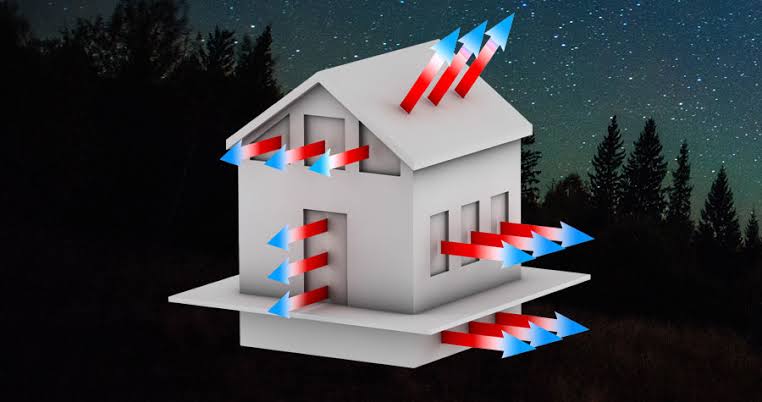
Keeping a home comfortable during colder months is not simply a matter of turning up the heating. A surprising amount of warmth can disappear through parts of a building that homeowners rarely think about. Gaps around windows, poorly insulated ceilings, exterior walls, floors, and even small openings around doors can allow heated air to escape. Understanding where this happens can help homeowners improve comfort while potentially reducing unnecessary energy use.
Heat loss can be particularly noticeable in older properties, although newer homes are not automatically immune. Construction methods, insulation quality, maintenance, weather exposure, and renovations can all affect thermal performance. Identifying problem areas is therefore an important first step before deciding which improvements are worthwhile.
Roofs and Ceilings Can Lose Significant Heat
Warm air naturally rises, making the upper sections of a house particularly important for temperature control. If ceiling or roof insulation is missing, damaged, uneven, or inadequate, warmth generated inside the property may quickly escape.
Homeowners can inspect accessible roof spaces to see whether insulation has shifted or whether certain sections have been left uncovered. Insulation requirements vary depending on the building and climate, so professional guidance can be useful before adding or replacing materials.
Ceiling access points also deserve attention. Even a relatively small attic hatch can become an area of unwanted air movement if it does not close properly.
Energy efficiency is increasingly part of broader conversations about sustainable lifestyles. Just as communities discuss alternatives such as public transit to reduce unnecessary resource use in transportation, households are paying greater attention to how efficiently they consume energy at home.
Windows Are Common Weak Points
Windows provide natural light and ventilation, but they can also contribute to heat loss. Older single glazed windows generally offer less thermal resistance than modern alternatives. However, replacing every window is not always the first or most affordable solution.
Homeowners can begin by checking window frames for cracks, deteriorating seals, and noticeable drafts. Weather sealing may help address small gaps. Curtains, blinds, and other suitable window coverings can also create an additional barrier between indoor spaces and cold glass.
The effectiveness of these measures depends on the condition and construction of the property. Home improvement resources, including platforms such as Melbwire Blog, can introduce homeowners to ideas they may want to investigate further before undertaking larger upgrades.
Doors Can Create Unexpected Drafts
Exterior doors are another frequent source of air leakage. Small spaces underneath doors or around their edges may seem insignificant, but multiple gaps throughout a property can collectively affect indoor comfort.
Door seals and draft stoppers are relatively straightforward options for dealing with some of these openings. Homeowners should also examine frames for damage or movement. A door that no longer sits correctly in its frame may require adjustment rather than simply adding more sealing material.
Sliding doors deserve similar attention because aging tracks and seals can create openings where indoor warmth escapes.
Walls Matter More Than They Appear
Exterior walls make up a large proportion of a home’s building envelope. Their thermal performance depends on factors such as construction type, insulation, age, and previous modifications.
Unlike a visible gap beneath a door, poor wall insulation may be difficult to recognize without further investigation. Rooms that remain noticeably colder than others or walls that feel particularly cold can sometimes indicate thermal weaknesses.
Homeowners researching renovation and property topics through resources such as Syd Hub may encounter different insulation approaches, but solutions should always be selected according to the specific construction of the house. Adding insulation incorrectly can potentially create moisture or ventilation problems, so professional assessment may be appropriate for substantial work.
Floors Should Not Be Forgotten
Heat loss through flooring is easy to overlook, particularly in houses with suspended floors or unconditioned spaces underneath them. Gaps between floorboards can also contribute to drafts.
Depending on the property, underfloor insulation may help improve thermal performance. Rugs can make hard flooring feel warmer underfoot, although they do not replace proper building insulation.
Attention should also be given to penetrations where pipes, cables, or other services pass through floors. Appropriate sealing around unnecessary openings may reduce unwanted airflow.
Small Gaps Can Add Up
Not every source of heat loss is obvious. Openings around plumbing, electrical fixtures, exhaust systems, skirting boards, and other building elements may allow air movement.
Finding these leaks can sometimes be done through a careful visual inspection, but professional energy assessments provide a more systematic approach. Thermal imaging and specialized testing can help identify areas that would otherwise remain hidden.
Readers of an Australia online publication may see major renovations presented as the answer to household efficiency, but smaller maintenance tasks can also make a meaningful difference. Repairing worn seals, closing unintended gaps, maintaining insulation, and using window coverings effectively are all practical starting points.
Improving the Home as a Complete System
Reducing heat loss works best when homeowners consider the entire building rather than focusing on one feature in isolation. A well insulated ceiling will not solve severe drafts around doors, just as new windows cannot compensate for major insulation gaps elsewhere.
Ventilation must also remain part of the equation. A home should not simply be sealed as tightly as possible without considering moisture management and indoor air quality. Kitchens, bathrooms, heating equipment, and other systems may have specific ventilation requirements that should remain unobstructed.
A sensible approach begins with identifying where heat is being lost, prioritizing the most significant problems, and choosing improvements appropriate for the property’s construction. With targeted maintenance and carefully planned upgrades, homeowners can create indoor spaces that retain warmth more effectively and remain comfortable throughout colder weather.