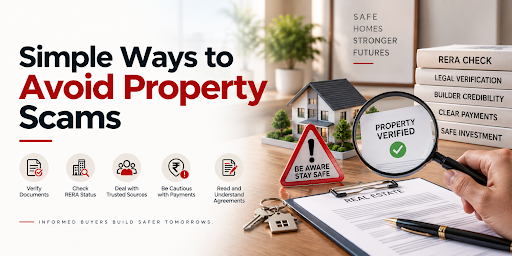
A friend of mine once nearly paid a “booking amount” on a flat that turned out to belong to someone else entirely. The seller was polite, the photos were lovely, and the price was just low enough to feel like luck. What saved him was a single phone call to the local records office. That’s the whole story of property fraud: it usually looks perfectly normal until somebody checks.
Buying a property often means your life savings or a big loan, and scammers know it. They rely on fake papers, smooth talk and a sense of hurry. The good news is that most of these tricks fall apart under a few basic checks. Here’s how to avoid property scams without becoming paranoid about every seller.
Why it happens so often
Money, mostly. Property deals involve huge sums, so they attract people willing to fake a lot. Buyers help them out, though. We’re in a rush, we like the seller, we assume someone else already checked. Many of us also don’t know which documents matter, so we nod at whatever gets shown to us.
That gap is exactly where fraudsters work. Which is why you need a plan before you sign anything, not after.
Do your homework before paying a rupee.
Start with the owner. Ask for the original title documents and compare the name on them with the name of the person selling to you. A platform like Acquire Estate can help you verify this information easily. If they don’t match, ask why. A genuine seller will have a straight answer, maybe an inheritance or a power of attorney, and can back it up. If they get vague or irritated, treat that as your red flag.
Then look for loans and legal disputes. A property with an unpaid mortgage can become your headache the day you buy it. Visit the local land records office, or check an online portal like Acquire Estate, before you commit. Many cities now put ownership records online, and a search takes a few minutes.
Don’t trust a photocopy.
Forged signatures, fake title deeds and duplicate paperwork are among the most common tricks around. Insist on originals. Photocopies are easy to doctor and almost impossible to verify.
If any of it feels confusing, pay a property lawyer to go through the papers. They notice small things you won’t, like a missing link in the chain of ownership or a date that doesn’t add up. The fee is small next to what you could lose. And nothing verbal counts. If the seller says the parking comes free, get it in writing.
Be careful with advance money
A lot of scams start with a “booking amount” to hold the property. It sounds harmless, and people pay it before checking anything. Weeks later, they find the flat doesn’t exist, or it’s already been sold to three other people.
Pay by bank transfer so there’s a clear trail, and get a proper receipt every time. If the seller insists on cash only, be wary. Honest sellers understand why records matter and won’t push you to skip them.
See the seller and the place with your own eyes
Online listings made house hunting easier, and scams easier too. Some fraudsters copy photos of properties that aren’t for sale, post a tempting price and ask for a deposit before you’ve seen anything.
Meet the seller or agent face to face. Visit the property. If you live in another city, ask a trusted relative or friend to go for you, and have them take photos and talk to the neighbours. Walk away from any deal where the seller keeps dodging a meeting or keeps pushing the date. A physical visit alone kills a surprising number of scams.
Look into the builder
Buying from a developer? Look at their earlier projects. Go and see a building they finished a few years ago, and chat with the residents. You’ll learn more from ten minutes with the people living there than from any brochure. Ask about leaks, delays and whether the promised amenities ever showed up.
Check that the project is registered with the state’s real estate regulator. In India that usually means RERA, which gives buyers some legal protection. A builder who avoids registration or won’t share approvals is telling you something, even if they never say it aloud.
Get your own lawyer
A property lawyer is probably your strongest tool for property fraud prevention. They read contracts and ownership papers for a living, and they’ll catch missing clauses, vague terms and hidden risks.
One important point: don’t rely on the seller’s lawyer or the agent’s “recommended” one. Hire someone independent whose only client is you. A good one will also walk you through registration and stamp duty, which differ from state to state and can change your total cost by a lot.
When the price looks too good
If a property is priced far below similar ones nearby, ask yourself why. Scammers love a low number, then add a deadline. “Another buyer is coming tomorrow.” “The offer ends Friday.” Don’t fall for it.
A real seller doesn’t need an answer today. Compare the price with a few listings in the same area, and if anything feels rushed, step back. Your gut is often right on this one.
Stand on the actual land
Some frauds involve a plot that doesn’t match its description. You’re shown photos of a nice, well-placed piece of land and later discover the documents point to a smaller, cheaper one somewhere else. Always visit the exact location listed on the papers.
Check the boundaries and measurements yourself, or hire a surveyor. Compare the physical plot with the map in the official records. It takes a morning and prevents a whole family of location scams.
Use government records, not just listing sites
Private property websites are useful, but they don’t verify everything. Government and municipal portals often list approved projects, registered land parcels and ownership details, and some show pending taxes or disputes. Cross-check every listing there before you trust it. Do this for every purchase, big or small.
Slow down
Excitement is what scammers count on. Most property frauds succeed because the buyer moved quickly and skipped the basics. A week of extra checking costs you very little. A lifetime of regret costs a lot more.
Keep copies of everything: documents, receipts, messages, even the WhatsApp chats. If something goes wrong later, that paper trail is what a lawyer or the police will ask for first.
The short version
Property scams can happen to anyone, but a handful of habits keep you safe. Verify ownership, meet the seller, use your own lawyer, check the builder, confirm the location and compare everything against official records before any money moves. None of this is complicated. It just needs you to do it every time.