

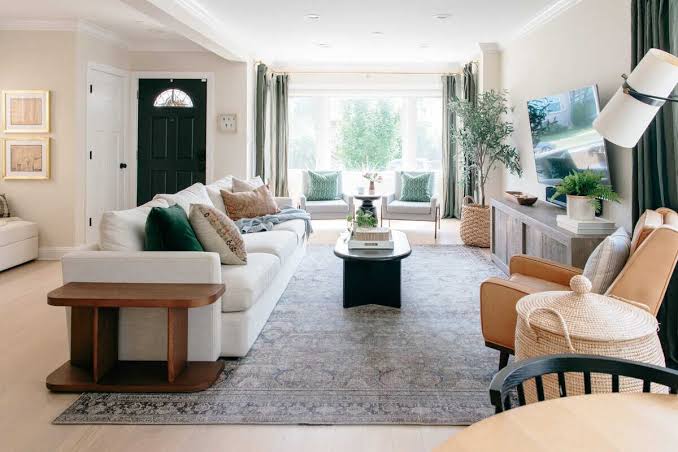
A comfortable home does not always require expensive renovations, new furniture, or a complete change in interior design. Sometimes, the smallest adjustments can make a noticeable difference in how a space looks, feels, and functions. Rearranging furniture, improving natural lighting, introducing softer textures, and organizing everyday essentials can transform an ordinary room into a more welcoming environment. The goal is not necessarily to create a picture perfect interior but to develop a living space that supports relaxation, convenience, and personal comfort.
Many homeowners assume that improving their living environment involves considerable financial investment. However, thoughtful changes can often achieve impressive results without construction work or structural modifications. Understanding the relationship between comfort, functionality, and personal preferences makes it easier to create a home that feels inviting throughout the year.
Understanding What Makes a Living Space Comfortable
Comfort means different things to different people. Some prefer bright, open interiors with minimal furniture, while others enjoy warm colors, layered fabrics, and decorative accessories. A comfortable living space should reflect the needs and habits of the people who use it rather than follow every emerging interior design trend.
An Australia blog covering home and lifestyle topics may explore how changing household routines influence interior preferences. For example, people working remotely often need quiet corners for concentration, while families may prioritize flexible spaces for relaxation and shared activities. Recognizing these everyday requirements helps homeowners make practical improvements that support their lifestyles without unnecessary spending.
Before purchasing anything new, consider which areas of the home feel uncomfortable or difficult to use. Identifying problems such as poor lighting, crowded furniture arrangements, or insufficient storage provides a clear starting point for meaningful improvements.
Rearranging Furniture for Better Movement and Functionality
Furniture placement has a significant influence on the atmosphere of a room. Even attractive furniture can make an interior feel uncomfortable when arranged without considering movement, accessibility, or natural light. Creating clear walking paths and allowing sufficient space between frequently used items can make rooms feel more open and functional.
In living rooms, positioning seating around a central area encourages conversation and creates a welcoming atmosphere. Moving bulky furniture away from windows can also improve daylight distribution. Bedrooms may benefit from simpler layouts that provide easy access to wardrobes, bedside tables, and other daily essentials.
Experimenting with existing furniture arrangements costs nothing and can reveal possibilities that were previously overlooked. Rather than immediately replacing older pieces, homeowners can evaluate whether changing their placement improves the overall experience of using the room.
Improving Lighting to Create a Relaxing Atmosphere
Lighting plays an important role in determining whether a space feels welcoming or uncomfortable. Harsh overhead lights can make a room appear overly bright, while insufficient illumination may create a gloomy atmosphere. Combining different lighting sources allows homeowners to adjust the environment according to their activities.
Natural daylight should be used wherever possible. Lightweight curtains, clean windows, and strategically positioned mirrors can help distribute sunlight throughout a room. During evenings, table lamps, floor lamps, and warm lighting can create a softer atmosphere suitable for reading, conversation, or relaxation.
Lifestyle discussions on platforms such as Melbwire.com.au can encourage readers to consider how practical household adjustments contribute to everyday comfort. Lighting improvements demonstrate this principle particularly well because they can change the character of a room without requiring expensive renovations.
Introducing Soft Textures and Comfortable Materials
Materials and textures influence how welcoming a home feels. Hard surfaces, bare floors, and limited fabric furnishings can sometimes create an interior that appears visually cold, even when the furniture and decoration are attractive. Introducing softer materials helps establish warmth while making frequently used areas more comfortable.
Cushions, throws, curtains, and rugs are relatively simple additions that can improve both appearance and functionality. A textured rug can make a seating area feel more defined, while comfortable cushions encourage relaxation. Curtains can provide privacy and help manage sunlight throughout the day.
Choosing materials should involve more than appearance. Washable fabrics, durable upholstery, and easy maintenance are particularly important in busy households. Selecting practical textures ensures that comfort remains manageable rather than creating additional cleaning responsibilities.
Making Better Use of Existing Storage
Clutter can make even spacious homes feel crowded and difficult to manage. When everyday belongings lack designated storage areas, surfaces gradually become occupied by objects that interfere with daily activities. Improving organization can therefore have a greater impact than purchasing additional decorative furniture.
An Australian online magazine discussing modern household living might highlight the growing importance of practical storage solutions in homes of different sizes. Simple approaches such as using baskets, reorganizing cabinets, introducing drawer dividers, and utilizing unused shelf space can help maintain order without installing permanent storage systems.
The most effective organization methods are those that match existing routines. Frequently used items should remain accessible, while seasonal belongings can be stored elsewhere. This approach reduces unnecessary movement and helps household members maintain an organized environment with less effort.
Creating Flexible Spaces for Family Activities
Modern households often use the same room for several purposes. A dining area may occasionally become a workspace, while a living room might accommodate entertainment, reading, exercise, and children’s activities. Designing flexible spaces makes it easier to meet these changing requirements without expanding the property.
For Australian parents, flexibility can be especially valuable when balancing household responsibilities, children’s routines, and personal activities. Lightweight furniture, movable storage containers, and multipurpose tables can help families adapt rooms throughout the day. A dedicated activity corner can also provide children with an organized space without requiring a separate playroom.
Flexibility should not come at the expense of comfort. Maintaining clear boundaries between activities, where possible, helps prevent shared rooms from feeling permanently crowded. Thoughtful furniture choices and simple organization systems allow households to accommodate different needs while preserving a relaxing atmosphere.
Bringing Natural Elements Into Everyday Interiors
Natural elements can make indoor environments feel calmer and more connected to their surroundings. Houseplants, wooden accessories, woven baskets, and natural fabrics introduce visual variety without demanding extensive changes to existing interiors.
Indoor plants can soften empty corners and add color to neutral spaces. However, plant selection should reflect available sunlight, maintenance requirements, and household safety considerations. Homes with pets or young children should avoid potentially toxic varieties or position plants securely beyond reach.
Natural materials can also be incorporated through smaller accessories rather than expensive furniture replacements. Wooden trays, ceramic containers, and woven storage solutions provide subtle visual interest while supporting everyday functionality.
Refreshing Walls and Decorative Details Without Construction
Walls influence the overall appearance of a room, but improving them does not necessarily involve repainting an entire property. Artwork, framed photographs, removable decorations, and thoughtfully arranged mirrors can introduce personality without permanent alterations.
Personal photographs and meaningful objects often create a stronger emotional connection than generic decorative pieces. Displaying items collected during travels or received from family members can make a room feel more individual and welcoming.
Maintaining balance is important. Too many decorative elements may overwhelm smaller interiors, while completely empty surfaces can sometimes feel impersonal. Selecting a few meaningful pieces allows homeowners to establish visual interest without sacrificing simplicity.
Maintaining Comfort Through Everyday Habits
Creating a comfortable living space is not a single project that ends after furniture has been rearranged or accessories have been purchased. Long term comfort depends on regular maintenance, practical organization, and occasional adjustments as household needs change.
Simple habits such as opening windows when outdoor conditions permit, cleaning frequently used surfaces, rotating seasonal fabrics, and removing unnecessary belongings help maintain a pleasant environment. Checking for drafts, managing indoor temperatures, and addressing minor maintenance issues can also improve comfort without major construction.
Ultimately, a welcoming home develops through thoughtful decisions rather than expensive transformations. By improving lighting, organizing furniture, introducing comfortable materials, and adapting spaces to everyday routines, homeowners can create interiors that feel more functional and personal. The most successful changes are often those that make ordinary activities easier while allowing everyone in the household to feel relaxed and comfortable.