

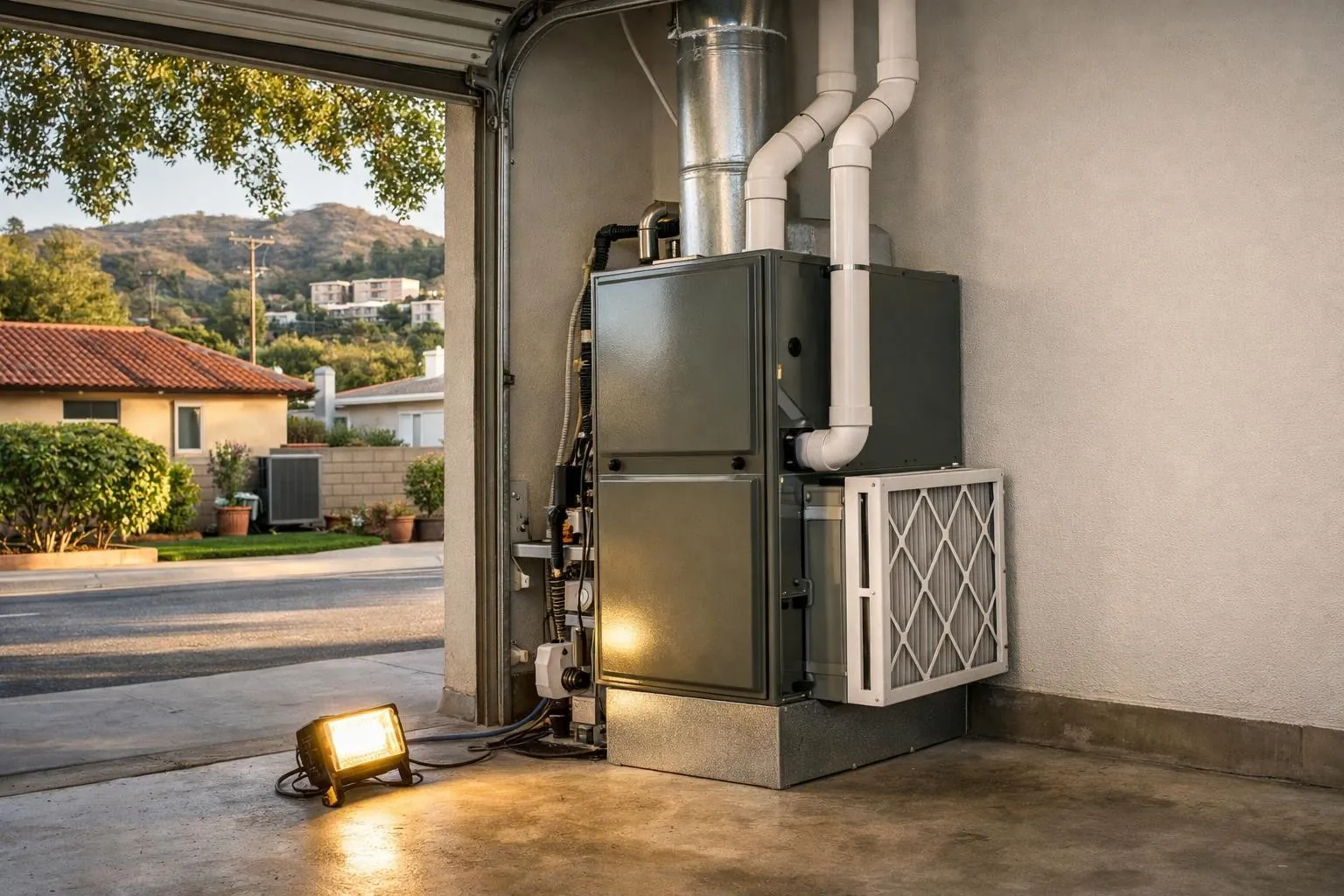
Replacing a furnace is a significant investment for Minnesota homeowners. With long winters and temperatures that can drop well below freezing, a dependable heating system is essential for maintaining a comfortable home.
However, before choosing a new furnace, most homeowners want to know one thing: How much will installation actually cost?
The answer depends on several factors, including the size of your home, furnace efficiency, equipment type, installation complexity, and any additional work required. Two homes in the same neighborhood can receive very different estimates because their heating requirements and existing HVAC systems are not necessarily the same.
Understanding these cost factors can help you plan your budget, compare contractor estimates, and avoid unexpected expenses.
How Much Does Furnace Installation Cost in Minnesota?
As a general budgeting guide, homeowners may encounter furnace-only installation estimates in the range of approximately $4,000 to $10,000 or more. Many standard residential replacements fall somewhere in the middle, while premium equipment or complicated installations can cost more.
This is a planning range, not a guaranteed local price. Actual estimates depend on the equipment selected, the condition of the existing system, labor, and any additional installation requirements.
For example, replacing an existing furnace with a similar model may be relatively straightforward. Installing a higher-efficiency system that requires new venting, electrical modifications, condensate drainage, or ductwork improvements can increase the total cost.
The best way to determine your actual investment is to have a qualified HVAC contractor assess your home and provide a written estimate.
1. Furnace Size and Your Home’s Heating Requirements
One of the biggest factors affecting furnace installation cost is the size of the equipment.
Furnaces are commonly rated by their heating capacity in British Thermal Units (BTUs). Larger homes may require higher-capacity equipment, but square footage alone does not determine the correct furnace size.
A professional should also consider:
- The home’s insulation quality
- Ceiling height and floor layout
- Number and quality of windows
- Air leakage and building construction
- Existing ductwork
- Local winter temperatures
A furnace that is too small may struggle to maintain comfortable temperatures during Minnesota’s coldest months. An oversized system may cycle on and off too frequently, potentially affecting comfort and efficiency.
A qualified contractor should evaluate your home’s heating load before recommending equipment. Proper sizing helps ensure that you are not paying for more capacity than your home needs.
2. Furnace Efficiency and AFUE Ratings
Another important consideration is furnace efficiency.
Efficiency is commonly measured using the Annual Fuel Utilization Efficiency (AFUE) rating. This percentage indicates how much of the fuel consumed by the furnace is converted into usable heat.
For example, a furnace with a 95% AFUE rating converts approximately 95% of its fuel into heat, while the remaining portion is lost through the exhaust process.
Higher-efficiency furnaces may cost more upfront, but they can reduce fuel consumption compared with less efficient equipment under similar operating conditions.
Minnesota homeowners should consider this carefully because heating systems may operate frequently throughout the winter.
When comparing furnaces, ask contractors to explain:
- The AFUE rating of each recommended model
- The difference in upfront equipment cost
- Expected operating costs
- Available warranty coverage
- Whether the existing venting system is compatible
Rather than choosing the highest efficiency rating automatically, compare the additional investment with your expected heating usage and long-term plans.
3. Type of Furnace You Choose
Different furnace models come with different features, performance levels, and installation requirements.
Common options include:
Single-stage furnaces: These operate at one heating output. They are generally straightforward systems and may be suitable for homeowners looking for a simpler replacement option.
Two-stage furnaces: These can operate at a lower heating output during milder conditions and switch to higher output when additional heat is needed. This can provide more consistent comfort.
Variable-speed furnaces: These use more advanced blower technology to adjust airflow according to heating demand. Depending on the system and installation, they may offer quieter operation and improved temperature consistency.
The best option depends on your home’s heating needs, budget, and comfort preferences.
Ask your contractor to explain the practical differences rather than focusing only on product features. A more advanced system is not automatically the best choice for every household.
4. Installation Labor and Project Complexity
The cost of furnace installation includes more than the equipment itself.
Labor and installation requirements can have a considerable effect on the final estimate. A straightforward replacement may require less work than a project involving changes to existing connections or ventilation.
Additional work may include:
- Removing and disposing of the old furnace
- Modifying gas connections
- Updating electrical connections
- Installing new exhaust venting
- Adding condensate drainage
- Adjusting or repairing ductwork
- Updating the thermostat
- Completing required permits and inspections
For example, switching from an older furnace to a high-efficiency condensing model may require changes to the venting and drainage arrangements.
This is why homeowners should request itemized estimates. Understanding what is included makes it easier to compare contractors and identify potential additional costs.
5. Existing Ductwork and Ventilation Conditions
Your home’s ductwork plays an important role in distributing heated air.
Even a properly installed furnace may struggle to heat a home evenly if the ducts are leaking, damaged, poorly designed, or incorrectly sized.
During installation, a contractor may discover that existing ductwork needs repairs or modifications.
Possible additional expenses include:
- Sealing leaking duct connections
- Replacing damaged duct sections
- Improving airflow distribution
- Adjusting supply and return openings
- Modifying ventilation connections
Not every furnace replacement requires ductwork changes. However, it is worth having the system inspected before installation so potential issues can be identified early.
Addressing significant airflow problems can help the new furnace deliver heat more effectively throughout the home.
6. Fuel Type and Existing Connections
The type of fuel your home uses can also influence furnace installation costs.
Natural gas is a common heating option in many Minnesota homes, but some properties use propane or other heating arrangements.
The existing fuel supply and connections may affect the equipment available and the work needed to complete installation.
If a project requires new fuel connections, adjustments to gas piping, or other modifications, the total cost may increase.
Before choosing a furnace, confirm that the proposed equipment is compatible with your home’s fuel supply and that all required connections can be installed safely.
Fuel-related work should always be handled by qualified professionals.
7. Furnace Brand, Features, and Warranty
Furnace manufacturers offer different models with varying performance levels, features, and warranty terms.
Some systems include advanced controls, quieter blower operation, enhanced filtration compatibility, or additional comfort features.
These options can affect the purchase price.
However, the brand name alone should not determine your decision. Consider the complete package, including:
- Equipment specifications
- AFUE rating
- Parts warranty
- Heat exchanger warranty
- Installation workmanship warranty
- Availability of replacement parts
- Local service support
A dependable installation and appropriate equipment selection are just as important as the manufacturer’s reputation.
Ask your contractor to explain the warranty registration process and whether routine maintenance is required to maintain coverage.
8. Permits and Local Installation Requirements
Depending on the project and local requirements, furnace installation may involve permits and inspections.
These requirements help ensure that heating equipment and related connections meet applicable safety and building standards.
Before work begins, ask your contractor:
- Which permits are required?
- Who will obtain them?
- Are inspections included in the estimate?
- Will the installation meet applicable codes?
- Will you receive documentation after completion?
A professional contractor should be able to explain how the permitting and inspection process applies to your specific project.
Do not assume that a contractor offering a much lower price has included every required step. Compare the complete scope of work before making a decision.
9. How to Compare Furnace Installation Estimates
Getting multiple estimates can help you understand the local market and determine whether a proposed price is reasonable.
However, comparing only the final dollar amount can be misleading.
One contractor may quote a basic furnace replacement, while another includes additional venting work, duct modifications, a new thermostat, and upgraded equipment.
When reviewing estimates, make sure you compare similar details.
| What to compare | Why it matters |
| Furnace model | Confirms which equipment you are purchasing |
| Heating capacity | Shows whether the system is appropriately sized |
| AFUE rating | Helps compare fuel efficiency |
| Labor and materials | Clarifies what installation includes |
| Venting and ductwork | Identifies additional project requirements |
| Permits and inspections | Helps avoid unexpected charges |
| Warranties | Explains your protection after installation |
| Total project price | Makes the overall investment easier to compare |
Request written, itemized estimates and ask questions about anything that is unclear.
A reliable contractor should be willing to explain the proposed equipment and installation process without pressuring you into an immediate decision.
10. Why Choosing the Right Furnace Contractor Matters
The quality of installation can affect how well your furnace performs for years.
Incorrect sizing, poor airflow, improper venting, or incomplete connections can create comfort and safety problems even when the equipment itself is high quality.
That is why choosing an experienced HVAC professional is an important part of your budget decision.
For homeowners in Pine City and nearby Minnesota communities, True North Heating and Air provides residential and commercial heating and cooling services.
The company helps homeowners evaluate furnace options based on their property’s requirements, budget, and heating preferences. Its services include furnace selection, inspection, installation, repair, and maintenance.
If you are planning a new heating system, you can learn more about its Furnace Installation services in Pine City.
A professional assessment can help identify the appropriate equipment, explain installation requirements, and provide a clearer estimate before you commit to the project.
Ways to Plan Your Furnace Installation Budget
A little preparation can make the installation process easier and help reduce unexpected expenses.
Consider these practical steps before requesting estimates:
Plan before your furnace fails. If your current system is aging or becoming unreliable, begin researching replacement options before an emergency develops.
Decide what matters most. Consider whether your priority is a lower upfront cost, improved efficiency, quieter operation, or more consistent indoor temperatures.
Ask about financing options. If available, financing may help spread the cost of a new furnace over time. Review interest rates, fees, and repayment terms before agreeing.
Check available rebates. Some utility providers and local programs may offer incentives for qualifying high-efficiency equipment. Verify current eligibility requirements rather than assuming a rebate applies.
Set aside money for additional work. Older homes may require venting, ductwork, electrical, or other modifications during installation.
Keep your installation paperwork. Save the equipment information, warranty documents, permits, and maintenance recommendations for future reference.
Furnace installation costs in Minnesota depend on much more than the price of the equipment. Home size, heating requirements, efficiency ratings, furnace type, labor, ductwork, and installation complexity can all influence the final investment.
A basic replacement may be relatively straightforward, while a project involving upgraded equipment or additional modifications can cost considerably more.
Before making a decision, compare written estimates, ask about warranties, and make sure the recommended furnace is appropriate for your home.
For homeowners in Pine City and surrounding communities, working with a knowledgeable local HVAC contractor can make the process easier. A proper assessment and clear installation proposal can help you choose a heating system that fits your budget and keeps your home comfortable throughout Minnesota’s long winter season.


