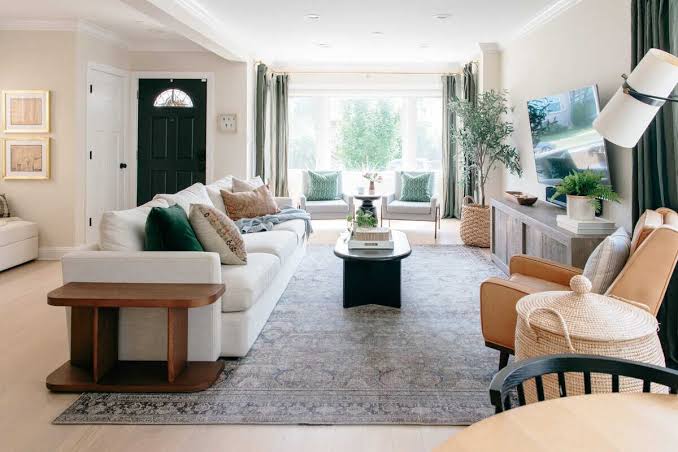

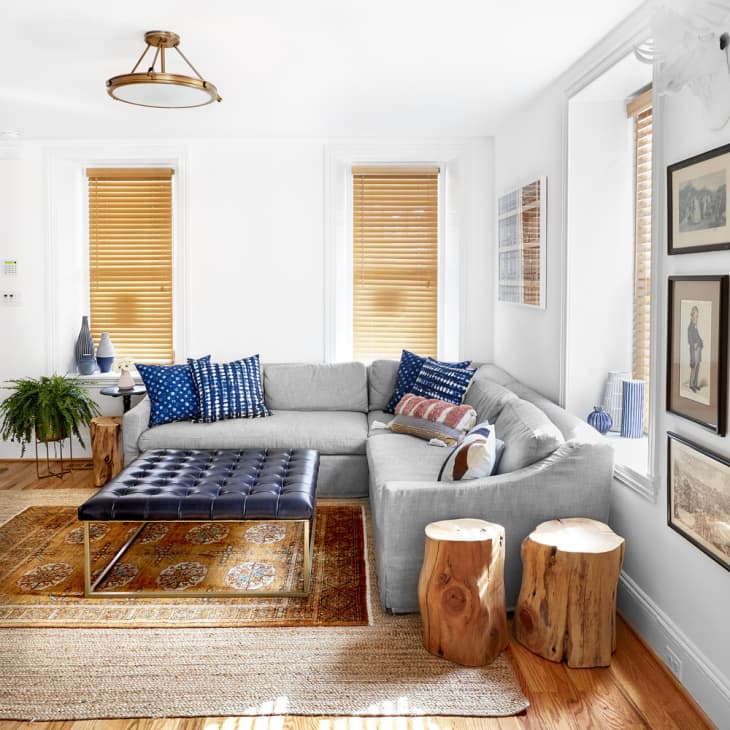
A beautiful house does not always guarantee a comfortable living experience. Some homes look impressive in photographs but feel inconvenient when people begin using them every day. Others may appear simple yet provide exceptional comfort because of thoughtful design decisions that are not immediately visible. Temperature consistency, sound control, natural ventilation, storage accessibility, and practical room arrangements can significantly influence how enjoyable a home feels. These hidden features often receive less attention than furniture, paint colors, or decorative elements, but they play an important role in creating a pleasant living environment. Understanding these details can help homeowners make improvements that support comfort, convenience, and long term satisfaction.
Insulation That Maintains Comfortable Indoor Temperatures
Insulation is one of the most important features affecting residential comfort, yet it remains largely invisible once construction is complete. Properly installed insulation helps reduce unwanted heat transfer through walls, ceilings, and floors. This allows indoor temperatures to remain more consistent during seasonal changes and reduces dependence on heating and cooling equipment.
The effectiveness of insulation depends on factors such as material selection, installation quality, and the building’s overall design. Gaps around windows, doors, and structural connections can also affect thermal performance. Homeowners who address these overlooked areas may experience fewer uncomfortable temperature differences between rooms. Improving insulation can also support energy efficiency, making it a practical investment for households interested in reducing unnecessary energy consumption.
Thoughtful Ventilation That Keeps Indoor Spaces Fresh
Fresh air contributes significantly to a comfortable home, particularly in spaces where moisture, cooking odors, and everyday household activities affect indoor conditions. Although windows provide natural ventilation, their placement and relationship with surrounding rooms determine how effectively air can circulate.
Cross ventilation becomes possible when openings are positioned to encourage airflow through a building. Kitchens, bathrooms, and laundry areas may also benefit from mechanical ventilation systems that help remove excess humidity. Home improvement discussions published through digital platforms and content resources such as www.outreachrangers.com can introduce readers to practical residential topics, including the importance of thoughtful planning. However, ventilation improvements should always consider local climate conditions, building requirements, and the specific needs of each property.
Acoustic Details That Create a Peaceful Living Environment
Noise is an often overlooked factor in residential comfort. Traffic sounds, household appliances, conversations, and activity in neighboring properties can gradually affect concentration and relaxation. A home may have attractive interiors but still feel uncomfortable when unwanted sounds regularly interrupt daily routines.
Acoustic comfort can be improved through several design features, including insulated internal walls, solid doors, appropriate window glazing, and soft furnishings that absorb some sound. Even the positioning of bedrooms away from busy living areas can make a noticeable difference. These considerations are particularly relevant in densely populated neighborhoods where homes may experience frequent external noise. Creating quieter spaces supports activities such as reading, remote working, studying, and sleeping without unnecessary disturbances.
Lighting Arrangements That Support Different Daily Activities
Lighting influences more than the appearance of a room. It affects visibility, mood, functionality, and the overall atmosphere of a living space. Homes that rely on a single ceiling fixture in every room may struggle to provide appropriate lighting for different activities throughout the day.
A combination of ambient, task, and accent lighting allows spaces to serve multiple purposes. Kitchen counters benefit from focused illumination, while living rooms may feel more comfortable with softer lighting during the evening. Natural daylight also plays an important role, particularly when window placement allows sunlight to enter without creating excessive glare or overheating.
A Melbourne blog covering residential design and lifestyle topics might highlight the relationship between lighting choices and everyday comfort. In practice, homeowners can improve their spaces by considering how natural and artificial light interact with furniture placement, room orientation, and personal routines.
Storage Solutions That Reduce Everyday Frustration
Storage is often discussed in terms of available space, but accessibility and organization are equally important. Large cabinets may provide generous storage capacity while remaining inconvenient if frequently used belongings are difficult to reach. Thoughtful storage design considers where items are used and how easily household members can access them.
Pullout kitchen drawers, adjustable shelving, built in wardrobes, and concealed compartments can make everyday activities more convenient. Entryway storage for shoes, bags, and keys can also prevent clutter from spreading into living areas. These improvements are especially useful in smaller homes where every available section of space needs to serve a practical purpose. Effective storage reduces unnecessary searching and helps maintain an organized environment without requiring constant rearrangement.
Window Placement That Balances Privacy and Outdoor Views
Windows influence several aspects of residential comfort, including daylight, ventilation, privacy, and visual connection with outdoor surroundings. Their size and placement can determine whether a room feels open and inviting or exposed and uncomfortable.
Large windows may provide attractive views, but they can also introduce excessive sunlight or reduce privacy when positioned close to neighboring properties. Appropriate glazing, shading devices, curtains, and blinds help manage these concerns. Homeowners should also consider how window orientation affects indoor temperatures throughout the year.
Residential lifestyle coverage associated with Sydney news and lifestyle topics often reflects the importance of balancing indoor living with outdoor environments. Whether a property is located in a busy urban neighborhood or a quieter residential area, carefully planned windows can support a more comfortable relationship between privacy, natural light, and surrounding views.
Flexible Spaces That Adapt to Changing Household Needs
A comfortable home should accommodate changes in the way people live. A spare bedroom might initially serve as a guest room but later become a home office, study area, or creative workspace. Flexible design allows homeowners to make these adjustments without undertaking major renovations.
Movable furniture, adaptable storage, accessible electrical outlets, and practical room dimensions can support multiple uses. Open living areas may also benefit from subtle divisions that create separate activity zones without permanently changing the layout. These features become increasingly valuable as household routines evolve, particularly when family members begin working remotely or require additional personal space.
Convenient Access That Simplifies Daily Routines
The relationship between a home and its surrounding neighborhood also influences everyday comfort. A thoughtfully designed property may still feel inconvenient if residents struggle to access essential services, workplaces, or recreational areas. Considering transportation options and local accessibility can therefore complement improvements made inside the home.
Mobility discussions involving GLID Australia can be connected to broader conversations about convenient urban living and the changing ways people move between destinations. For homeowners, practical considerations include secure bicycle storage, accessible entrances, organized parking arrangements, and convenient connections to nearby transportation services. These details can make daily travel easier while helping households manage busy schedules more efficiently.
Conclusion
Residential comfort is shaped by far more than attractive furniture and decorative finishes. Insulation, ventilation, acoustic protection, lighting, storage, window placement, flexible layouts, and accessibility all contribute to the way a home functions. Although many of these features remain unnoticed during casual visits, their influence becomes clear through everyday experiences. Homeowners who prioritize practical improvements alongside visual design can create spaces that feel more welcoming, efficient, and adaptable. A genuinely comfortable house is one where thoughtful details quietly support the routines, preferences, and changing needs of the people living inside it.