

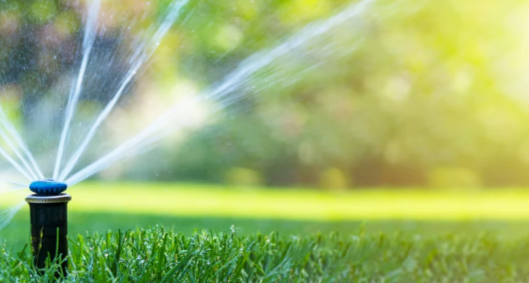
A zone irrigation system installation is one of the most effective ways to improve water efficiency, protect your landscape, and reduce long-term maintenance costs. Instead of watering your entire yard the same way, zoning divides your property into customized sections based on plant type, sun exposure, and soil conditions. This ensures every area receives the right amount of water, no waste, no dry patches, and no overwatering.
For homeowners and property managers looking to upgrade their irrigation setup, working with professionals like Redwood Outdoor Designs ensures precision planning, smart system design, and long-term reliability.
In this guide, we’ll break down how zone irrigation systems work, why they matter, and how proper installation can transform your outdoor space into a healthier, more sustainable landscape.
Why Zone Irrigation System Installation Matters for Modern Landscapes
A properly planned zone irrigation system installation is not just a luxury, it’s a necessity for efficient water management in today’s climate-conscious world. Traditional sprinkler systems often treat all areas equally, which leads to uneven watering and unnecessary water waste.
With zoning, your irrigation system is divided into sections such as:
- Sunny lawn areas requiring frequent watering
- Shaded garden beds needing less moisture
- Sloped areas requiring slower water distribution
- Drought-tolerant plants needing minimal irrigation
- Flower beds with targeted hydration needs
This tailored approach helps homeowners maintain healthier plants while significantly reducing water bills and runoff.
Modern systems also integrate smart irrigation controllers that adjust watering schedules based on weather conditions, soil moisture, and seasonal changes, making efficiency even more precise.
How Zone Irrigation Systems Work
Understanding the mechanics behind a zone irrigation system installation helps homeowners appreciate its long-term value.
At its core, the system uses a combination of valves, controllers, and sprinkler heads to divide water delivery into independent zones. Each zone operates on its own schedule and watering duration.
Here’s how it works:
1. Irrigation Controller
The controller acts as the brain of the system. It tells each zone when to turn on and for how long.
2. Zone Valves
Valves regulate water flow to specific areas of your yard. Each valve corresponds to one irrigation zone.
3. Sprinkler Heads or Emitters
Depending on the zone, different sprinkler heads or drip emitters distribute water in targeted patterns.
4. Piping Network
Underground pipes connect everything, delivering water efficiently from the main supply to each zone.
This structure allows your system to operate like multiple mini irrigation setups within one unified system, maximizing efficiency and minimizing waste.
Zone Irrigation System Installation Process Explained
A professional zone irrigation system installation follows a detailed process to ensure accuracy, performance, and long-term durability. Skipping steps or improper planning can lead to uneven coverage or costly repairs later.
Here’s what a standard installation looks like:
Step 1: Site Evaluation
Experts assess your property’s layout, soil type, sun exposure, and plant requirements.
Step 2: Zone Design Planning
The landscape is divided into irrigation zones based on water needs and terrain differences.
Step 3: System Layout Mapping
Technicians map out sprinkler head placement, pipe routes, and valve locations.
Step 4: Trenching and Pipe Installation
Underground trenches are dug to lay pipes that connect each zone efficiently.
Step 5: Valve and Controller Setup
The control system is installed and configured for automated watering schedules.
Step 6: Testing and Calibration
Each zone is tested to ensure even water distribution and proper pressure.
A professional team like Redwood Outdoor Designs ensures every step is executed with precision, preventing costly inefficiencies and water waste.
Common Mistakes in Zone Irrigation System Installation
Even small errors in a zone irrigation system installation can lead to major performance issues. Many DIY systems fail due to poor planning or lack of hydraulic understanding.
Here are the most common mistakes:
- Mixing high-water and low-water plants in the same zone
- Incorrect sprinkler head selection for coverage area
- Poor pipe sizing leading to low water pressure
- Overlapping spray patterns causing overwatering
- Ignoring slope and drainage conditions
- Failing to account for seasonal plant changes
Avoiding these mistakes ensures your system runs efficiently year-round and reduces unnecessary repair costs.
Benefits of Professional Zone Irrigation System Installation
While DIY irrigation kits exist, professional installation delivers significantly better results. A properly engineered zone irrigation system installation improves both performance and long-term savings.
Key benefits include:
Water Efficiency
Zoning reduces water waste by delivering precise amounts to each area.
Healthier Landscaping
Plants receive consistent hydration tailored to their specific needs.
Lower Utility Bills
Efficient water usage directly reduces monthly water expenses.
Smart Automation
Modern systems integrate weather-based controllers and app controls.
Long-Term Durability
Professionally installed systems last longer and require fewer repairs.
Working with experts like Redwood Outdoor Designs ensures your irrigation system is designed for maximum efficiency and long-term performance.
Maintenance Tips for Zone Irrigation Systems
After a zone irrigation system installation, proper maintenance is essential to keep your system performing at its best.
Here are practical maintenance tips:
Inspect Regularly
Check sprinkler heads monthly for clogs, leaks, or misalignment.
Adjust Seasonal Settings
Modify watering schedules based on seasonal weather changes.
Clean Filters
Remove debris from filters to maintain proper water flow.
Check for Leaks
Inspect underground lines if you notice soggy areas or pressure drops.
Winterization (if applicable)
Protect pipes from damage during colder months by properly shutting down the system.
Routine maintenance ensures consistent performance and extends system lifespan significantly.
Smart Irrigation Trends Improving Zone Systems
The future of zone irrigation system installation is becoming more intelligent and data-driven. New technologies are making systems more responsive and sustainable.
Key innovations include:
- Weather-based irrigation controllers
- Soil moisture sensors per zone
- Mobile app control systems
- AI-powered watering adjustments
- Integration with smart home ecosystems
These advancements help homeowners optimize water usage without manual adjustments, making landscapes more eco-friendly and cost-effective.
Why Choose Professional Installation Experts
Choosing experienced professionals for your zone irrigation system installation is the most important decision in the entire process. Proper design and execution determine whether your system saves water, or wastes it.
Professionals understand:
- Hydraulic balancing across zones
- Correct sprinkler head selection
- Efficient layout design
- Local soil and climate conditions
- Long-term system scalability
With a trusted provider like Redwood Outdoor Designs, homeowners gain access to expert planning, high-quality materials, and precision installation tailored to their property.
Final Reflections on Zone Irrigation System Installation
A well-executed zone irrigation system installation is one of the smartest investments for any homeowner looking to improve landscape health and water efficiency. By dividing your property into targeted watering zones, you eliminate waste, reduce costs, and create a healthier outdoor environment.
Whether you’re upgrading an old system or installing a brand-new one, the key to success lies in expert design and professional execution. With the right team, your irrigation system becomes a long-term asset that supports both sustainability and curb appeal.
For homeowners ready to take the next step, partnering with redwoodoutdoordesigns ensures your system is built for performance, efficiency, and lasting value.


