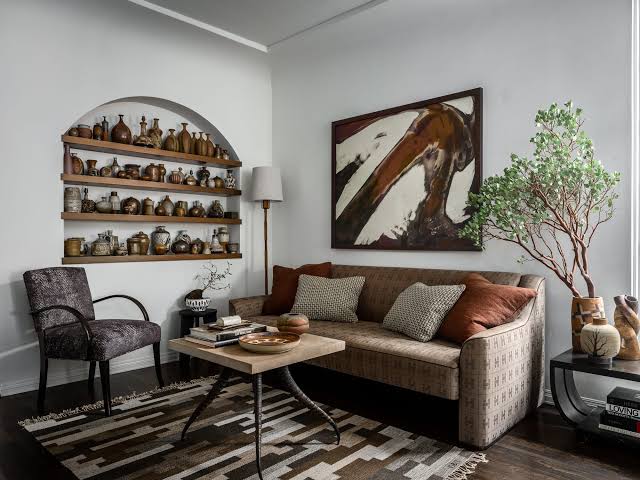

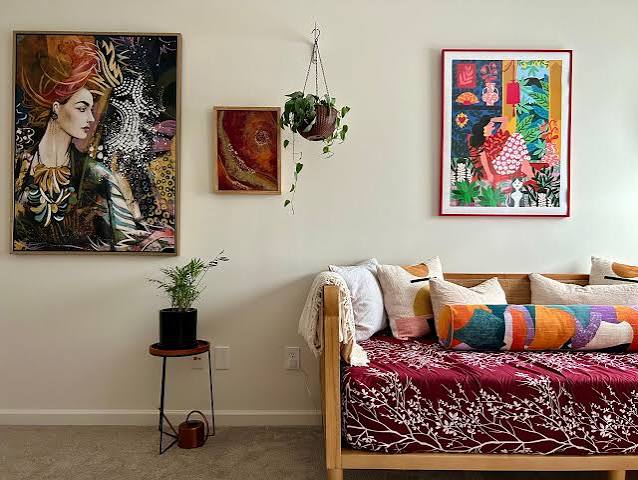
A home is never truly finished because the people living inside it are constantly changing. A room that works perfectly today might feel inconvenient a few years later. Children grow older, careers take unexpected turns, families expand, and personal interests evolve. Yet many homeowners design their spaces around immediate needs without considering what might happen next.
Creating rooms that remain useful through different stages of life requires more than choosing attractive furniture or following interior design trends. It involves understanding how spaces can adapt without requiring expensive renovations every time circumstances change.
Think Beyond the Room’s Current Purpose
One of the biggest mistakes in home design is assigning every room a permanent identity. A spare bedroom becomes a guest room, a corner becomes an office, and a dining area is reserved exclusively for meals.
While these arrangements may work initially, they can limit how a home responds to changing needs.
A better approach is to consider multiple possible uses for each space. A guest bedroom might eventually become a nursery, study, or hobby room. A dining area could accommodate remote work, creative projects, or family activities.
Readers exploring lifestyle ideas through an Australian online magazine may notice how modern homes increasingly combine different activities within limited spaces. The goal is not necessarily to create larger rooms but to make existing rooms capable of supporting more than one purpose.
Choose Furniture That Can Change With You
Furniture often determines how easily a room can adapt. Large, specialized pieces may look impressive, but they can become obstacles when the room’s function changes.
Modular sofas, extendable dining tables, adjustable desks, and movable storage units provide greater flexibility. These pieces can be rearranged or repurposed without replacing everything.
For example, a compact desk used by a university student could later serve as a workstation or creative corner. Similarly, a storage bench can provide seating while keeping household essentials organized.
The key is to prioritize furniture that offers practical value beyond its original purpose.
Design Around Daily Movement
A room’s layout should support the way people naturally move through it. Unfortunately, homeowners sometimes prioritize appearance over convenience, creating spaces that look attractive but feel awkward during everyday activities.
Consider someone returning home after a busy commute. They might need somewhere to place their keys, bag, shoes, or metro card before moving into the living area. Without a designated spot, these everyday objects gradually accumulate on tables and countertops.
A simple entryway shelf, wall hooks, or narrow storage cabinet can make daily routines easier.
These small details become especially valuable when household schedules change or more people begin sharing the same space.
Keep Storage Flexible Rather Than Fixed
Storage needs rarely remain constant. A young couple might initially require space for books, clothing, and kitchen essentials. Years later, the same household may need storage for children’s belongings, sports equipment, school supplies, or work materials.
Instead of designing storage around a single collection of possessions, consider adjustable shelving, stackable containers, and cabinets with movable internal organizers.
Flexible storage allows homeowners to reorganize belongings without replacing entire units.
It is also worth leaving some storage space unused. Empty shelves and drawers are not necessarily wasted space. They provide breathing room for future changes.
Let Lighting Support Different Activities
Lighting plays an important role in determining whether a room remains comfortable as its purpose evolves.
A living room might initially be used mainly for watching television. Later, it could become a place for reading, working, studying, or entertaining guests.
Relying on a single ceiling light makes these transitions difficult.
Layered lighting provides greater flexibility. Combining overhead fixtures with floor lamps, desk lights, and adjustable wall lighting allows homeowners to change the atmosphere according to their activities.
Natural light should also influence furniture placement. Keeping windows accessible and avoiding unnecessarily bulky furniture can help rooms feel open even when their functions change.
Make Room for Changing Family Relationships
As families grow and evolve, their expectations of shared spaces also change. Young children may need open areas where they can play under supervision, while teenagers often prefer quieter corners that provide independence.
Adults might eventually require dedicated workspaces, while older family members may benefit from easier access to essential rooms.
These changing requirements make adaptable layouts particularly valuable.
Lifestyle discussions on platforms such as melbwire.com.au can encourage homeowners to think about how their living environments reflect changing routines and priorities.
Rather than planning around one particular family arrangement, homeowners can create spaces that balance privacy, connection, and flexibility.
Consider Accessibility Before It Becomes Necessary
Accessibility is frequently associated with aging, but thoughtful design can benefit people at every stage of life.
Wider walkways, accessible storage, comfortable seating, and easy to operate fixtures make everyday activities simpler for everyone.
For example, reducing unnecessary obstacles between rooms can benefit parents with strollers, people recovering from injuries, and older residents experiencing reduced mobility.
Australia’s YourHome guidance also emphasizes planning for changing household needs and physical abilities to reduce the need for major alterations later.
These considerations are particularly important when renovating bathrooms, kitchens, and entryways because modifying these areas later can be expensive.
Avoid Designing Around Temporary Trends
Interior design trends can provide inspiration, but they should not determine every major decision.
Bold colors, unusual furniture shapes, and decorative finishes may feel exciting initially. However, committing to highly specific styles can make future changes more difficult.
A practical approach involves keeping expensive or permanent features relatively versatile while experimenting with easily replaceable elements.
Wall art, cushions, rugs, and decorative accessories can introduce personality without restricting future possibilities.
Readers interested in practical lifestyle perspectives through the GLID Blog may appreciate the idea that thoughtful design is less about constantly updating a home and more about creating spaces that remain comfortable over time.
Conclusion
Designing rooms that continue making sense as life changes does not require predicting every future event. It simply requires recognizing that household needs are unlikely to remain the same forever.
Flexible furniture, adaptable storage, thoughtful lighting, accessible layouts, and multipurpose spaces can help a home accommodate different routines without constant renovation.
The most successful rooms are not necessarily those that look perfect when first completed. They are the ones that continue supporting everyday life as circumstances, responsibilities, and personal preferences evolve.
A thoughtfully designed home should provide enough structure to feel comfortable today and enough flexibility to remain useful tomorrow.